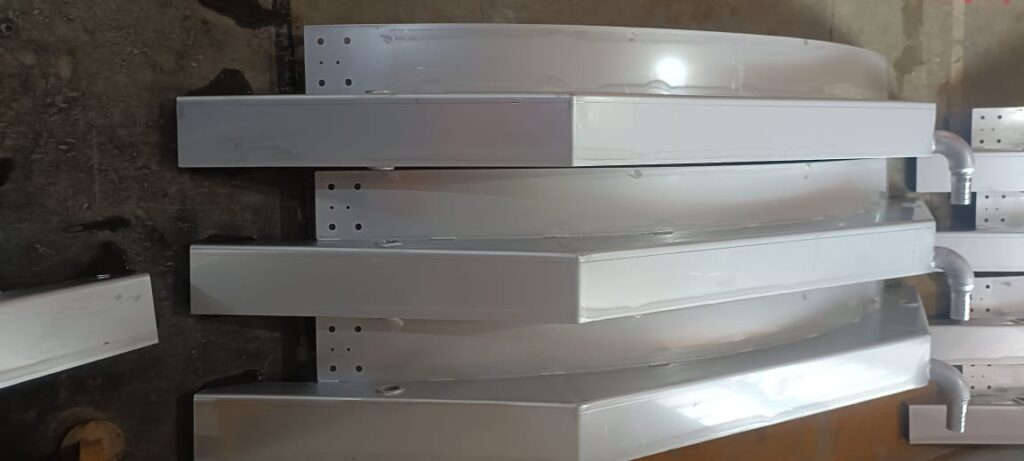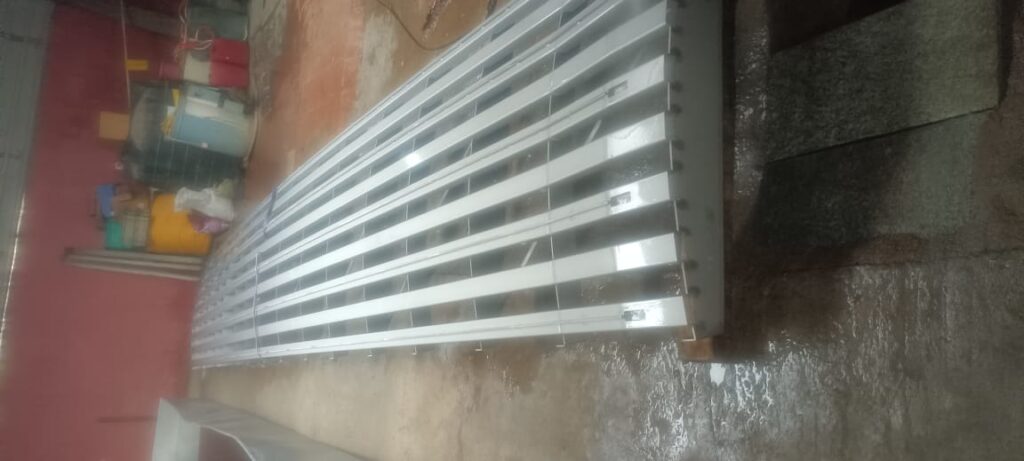
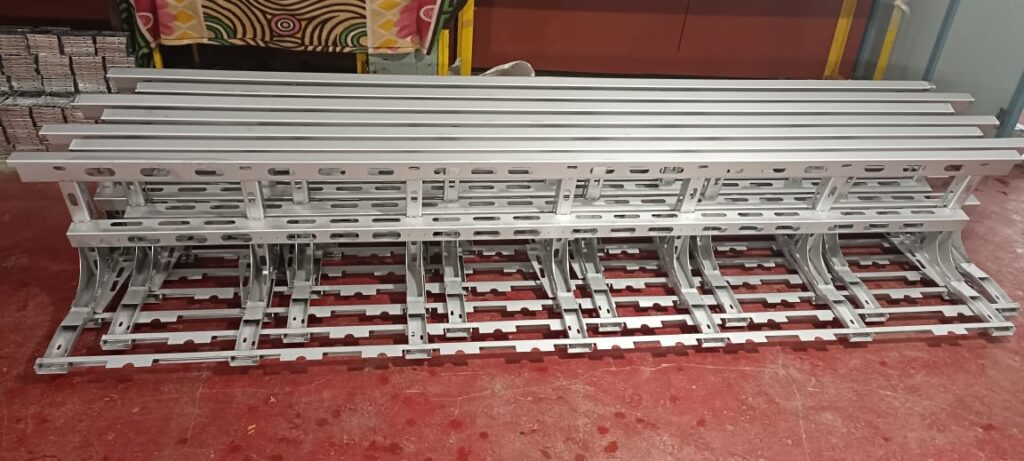
Introduction Stainless steel is known for its corrosion resistance, but even the most robust alloys can be vulnerable under certain conditions. One of the most effective ways to enhance and preserve its corrosion resistance is through a chemical treatment called pickling. In this article, we’ll explain what pickling is, how it works, and why it plays a critical role in preventing stainless steel corrosion—especially in industries where surface integrity is vital.
What is Pickling? Pickling is a chemical cleaning process that removes surface contaminants such as oxides, scales, and weld discoloration from stainless steel. The treatment involves immersing stainless steel parts in a bath of acid (typically nitric acid, hydrofluoric acid, or a mix), which dissolves impurities and restores the alloy’s corrosion-resistant properties.
How Stainless Steel Becomes Vulnerable Despite its chromium content, stainless steel can lose its corrosion resistance when its surface becomes contaminated during manufacturing or fabrication. Some common issues include:
- Heat tint from welding
- Oxide scale from high-temperature processing
- Embedded iron particles from tooling
- Surface impurities from machining
These defects can act as corrosion initiation points, especially in marine, chemical, and food processing environments.
How Pickling Helps Prevent Corrosion
- Restores Passive Layer: The passive chromium oxide layer on stainless steel is responsible for its corrosion resistance. Pickling removes any impurities that inhibit this layer from forming or regenerating.
- Removes Embedded Contaminants: Embedded iron or other foreign particles can cause galvanic corrosion. Pickling dissolves these contaminants, leaving behind a clean and uniform surface.
- Eliminates Weld Discoloration and Scale: Pickling efficiently removes heat-affected zones (HAZ) and weld tint, which are typically more reactive to corrosion.
- Prepares Surface for Further Treatment: Pickling provides a clean base surface ideal for passivation or coating, extending the life of the steel component.
Industries That Benefit from Pickling
- Pharmaceutical & Biotech – Cleanroom-grade stainless steel equipment
- Food & Beverage – Sanitary-grade piping and tanks
- Oil & Gas – Corrosion-prone pipelines and vessels
- Marine – Components exposed to saltwater
- Power Plants & Infrastructure – Pressure vessels and stainless supports
Why Choose Professional Pickling Services? At Ambika Industries, we offer professional pickling services at our dedicated facility with:
- 2000-ton monthly capacity
- Multiple acid immersion tanks (up to 30ft x 6ft)
- Same-day and emergency service
- Trained technicians for surface analysis
Our process ensures your stainless steel components meet international corrosion resistance standards with consistent, reliable results.
Conclusion Pickling is not just a surface treatment—it’s a preventative maintenance measure that preserves the structural integrity and appearance of stainless steel. Whether you’re in heavy industry, pharmaceuticals, or construction, incorporating pickling into your stainless steel processing can dramatically reduce the risk of corrosion and extend the life of your equipment.
📞 Need expert pickling services? Contact Ambika Industries today or visit www.picklingandpassivationservice.com to request a quote or consultation.