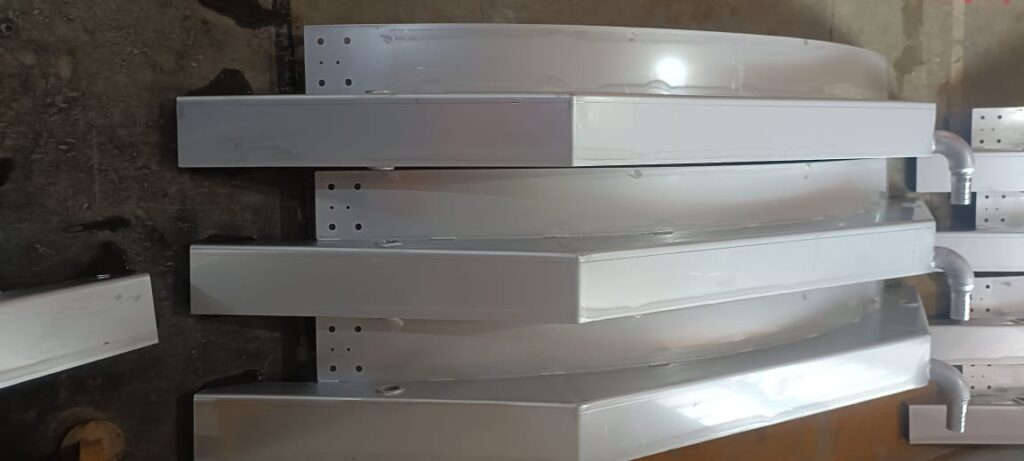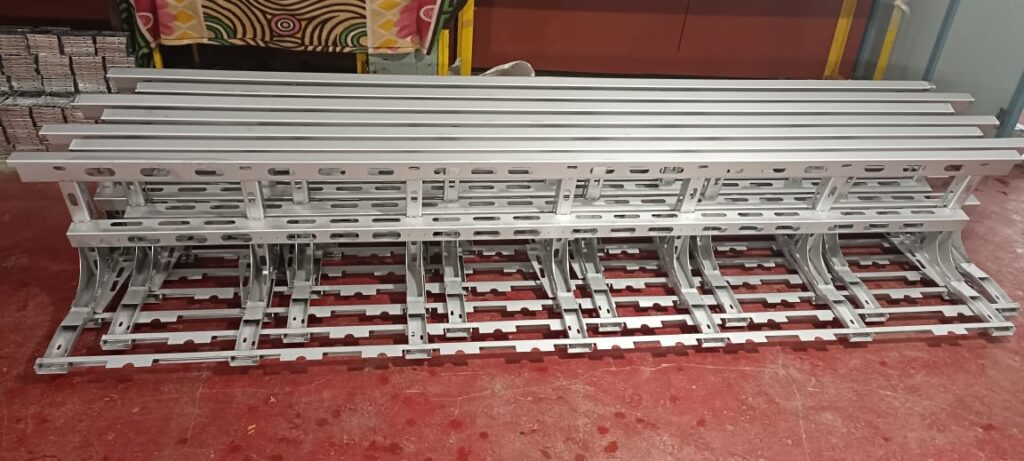
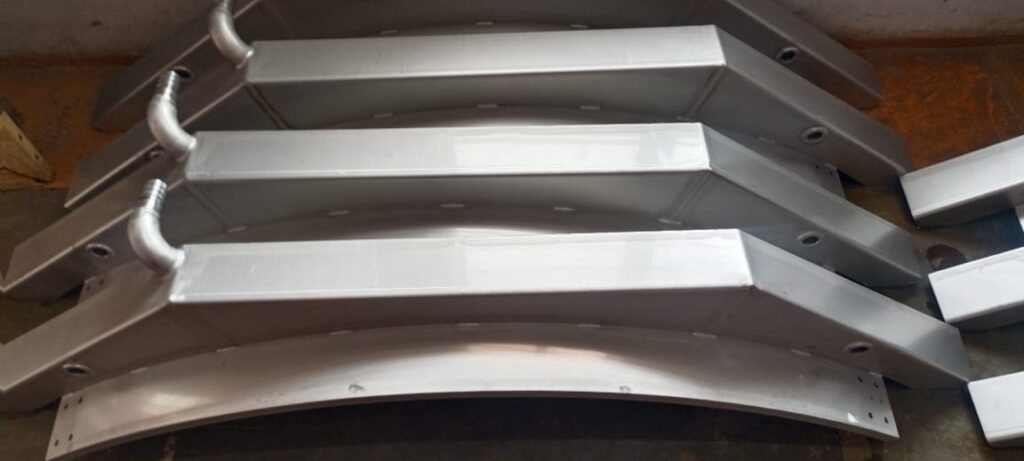
Stainless steel is a cornerstone in the food and beverage industry due to its exceptional hygiene, durability, and corrosion resistance. But to truly harness its potential, the process of passivation plays a critical role. In this article, we explore how passivation enhances food safety, extends equipment lifespan, and ensures compliance with industry regulations.
What Is Passivation?
Passivation is a chemical treatment process that removes free iron and surface contaminants from stainless steel using a mild acid—usually nitric or citric acid. This process promotes the formation of a thin, inert oxide layer on the surface, improving corrosion resistance without affecting the metal’s appearance or integrity.
Why Is Passivation Important in the Food Industry?
1. Improved Hygiene and Cleanliness
In food processing, hygiene is paramount. Stainless steel equipment must be free from contaminants that could harbor bacteria or cause cross-contamination. Passivation removes residual iron, weld scale, and machining oils that can attract and retain food particles or bacteria.
2. Enhanced Corrosion Resistance
Even high-grade stainless steel can be vulnerable to corrosion when exposed to chlorides, acidic foods, and harsh cleaning agents. Passivation helps maintain the natural protective oxide layer that resists corrosion, especially in environments involving frequent washdowns and sanitization.
3. Extended Equipment Lifespan
By reducing surface impurities and corrosion risk, passivation extends the service life of critical food production equipment such as mixers, tanks, piping, and conveyors. This means fewer replacements and reduced downtime.
4. Compliance With Regulatory Standards
Organizations such as the FDA and NSF recommend or require passivation for food-contact equipment to maintain safety and sanitation. Additionally, standards like ASTM A967 and A380 outline procedures for passivation and verification.
5. Reduced Maintenance Costs
Passivated stainless steel is easier to clean and less likely to develop corrosion spots or biofilm buildup. This simplifies maintenance and reduces the need for costly repairs or premature replacements.
Applications of Passivated Stainless Steel in Food Processing
- Dairy and milk handling equipment
- Brewery vessels and piping
- Commercial kitchen surfaces
- Food-grade storage tanks
- Meat and poultry processing machinery
Final Thoughts
In a sector where product integrity, cleanliness, and safety are non-negotiable, passivation provides a crucial edge. Whether you’re a food manufacturer, equipment supplier, or plant engineer, incorporating passivation into your stainless steel maintenance strategy is an investment in performance and peace of mind.
Looking for certified, high-capacity passivation services tailored for food-grade equipment? Contact Ambika Industries today to learn how we can help you meet the highest hygiene and durability standards.