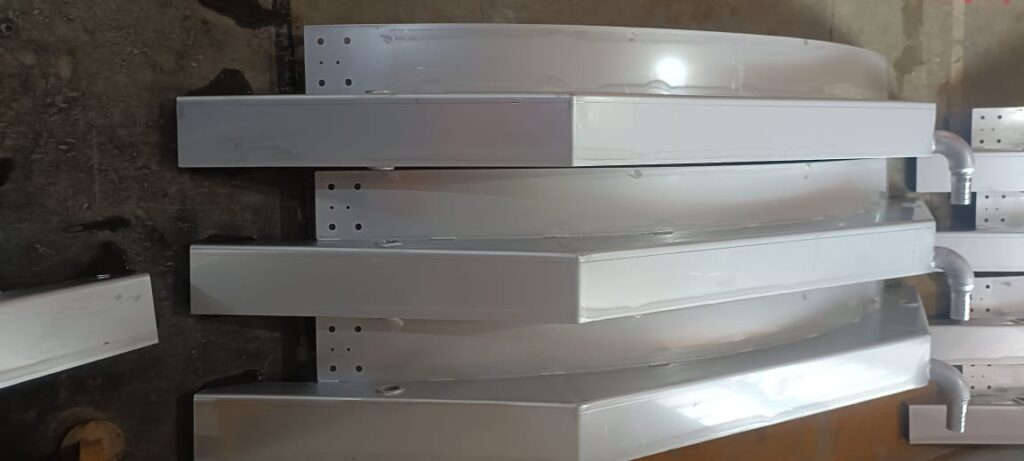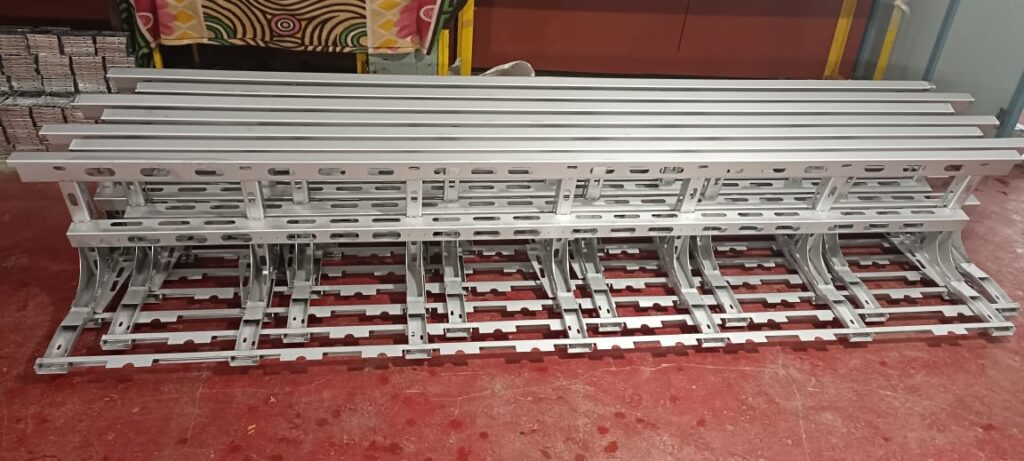
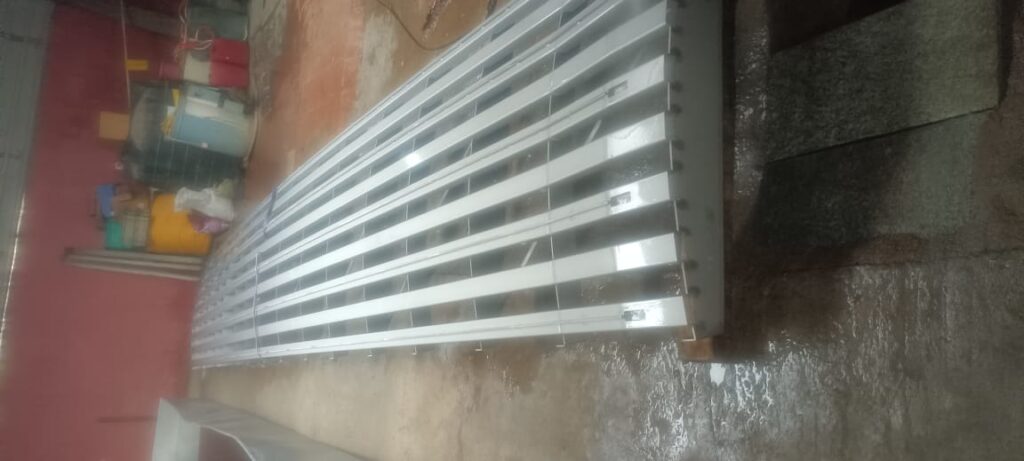
Stainless steel is prized for its corrosion resistance, but during manufacturing, welding, or handling, it often accumulates surface contaminants that can compromise its protective layer. Pickling is a critical treatment that removes these impurities and restores the material’s corrosion resistance. In this blog, we’ll explore the types of surface contaminants that necessitate pickling and how the process works to eliminate them.
What Is Pickling?
Pickling is a chemical treatment process that removes oxides, scale, and other contaminants from the surface of stainless steel. It typically involves the use of acidic solutions—such as nitric acid or hydrofluoric acid—to clean and prepare the surface for optimal corrosion resistance.
Common Surface Contaminants That Require Pickling
1. Weld Scale and Heat Tint
When stainless steel is welded, high temperatures cause oxidation, leaving behind a discoloration known as heat tint. This oxide layer is rich in chromium-depleted zones, which are highly susceptible to corrosion. Pickling removes these oxides and restores the surface.
2. Iron Contamination
Stainless steel can become contaminated with free iron during handling or from tools made of carbon steel. These iron particles can initiate rust formation, compromising the integrity of the stainless steel. Pickling dissolves these iron contaminants, leaving a clean, passive surface.
3. Mill Scale
Mill scale forms on stainless steel surfaces during hot rolling or heat treatment. It appears as a dark, flaky coating and must be removed before the material can be used in critical applications. Pickling is an effective method for removing mill scale.
4. Rust and Flash Rusting
Even stainless steel can develop rust under certain environmental conditions, especially when exposed to chlorides. Pickling removes existing rust and helps prevent its reoccurrence by cleaning the surface and promoting passivation.
5. Grease, Oil, and Organic Residues
Though not always removed by pickling alone, pre-cleaning steps often precede the pickling process to remove oils, grease, and lubricants. These contaminants prevent the pickling acids from contacting the metal surface and must be eliminated for proper treatment.
6. Surface Oxides from Heat Treatment
Heat treatment processes such as annealing can leave behind tenacious oxide layers that resist removal by mechanical means. Pickling effectively dissolves these layers, especially in intricate components and hard-to-reach areas.
Why Pickling Is Necessary
- Restores corrosion resistance by removing chromium-depleted layers.
- Prepares the surface for passivation, which enhances protective oxide formation.
- Ensures product longevity in demanding applications.
- Meets industry standards such as ASTM A380 and A967 for clean, contaminant-free surfaces.
Applications That Require Pickling
- Pharmaceutical and food processing equipment
- Pressure vessels and pipelines
- Marine and offshore components
- Cleanroom and semiconductor manufacturing
- Architectural stainless steel structures
Conclusion
Surface contamination can dramatically reduce the corrosion resistance and performance of stainless steel. Pickling is an essential step to remove these harmful substances and ensure that the material performs as intended. Whether you’re dealing with weld scale, iron deposits, or mill scale, Ambika Industries provides professional pickling services with same-day delivery and emergency support.
📞 Contact us today for expert consultation or visit www.picklingandpassivationservice.com to learn more about our capabilities.