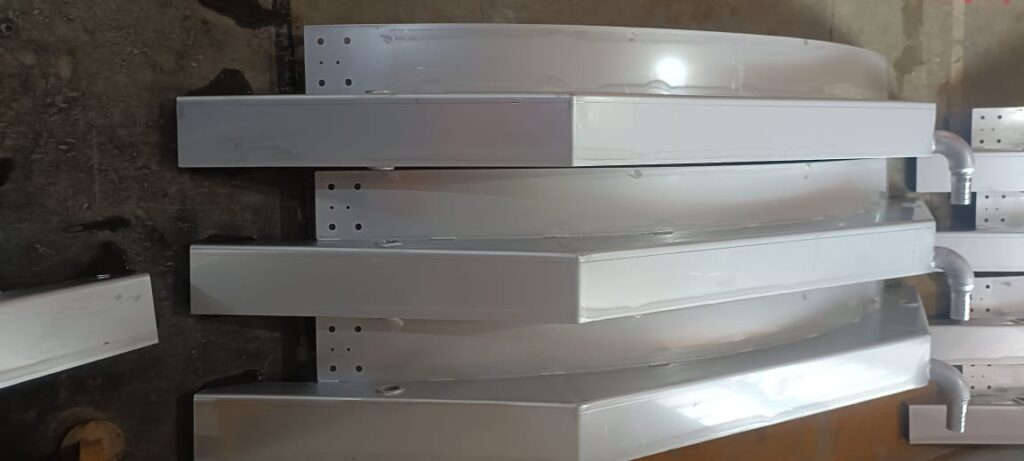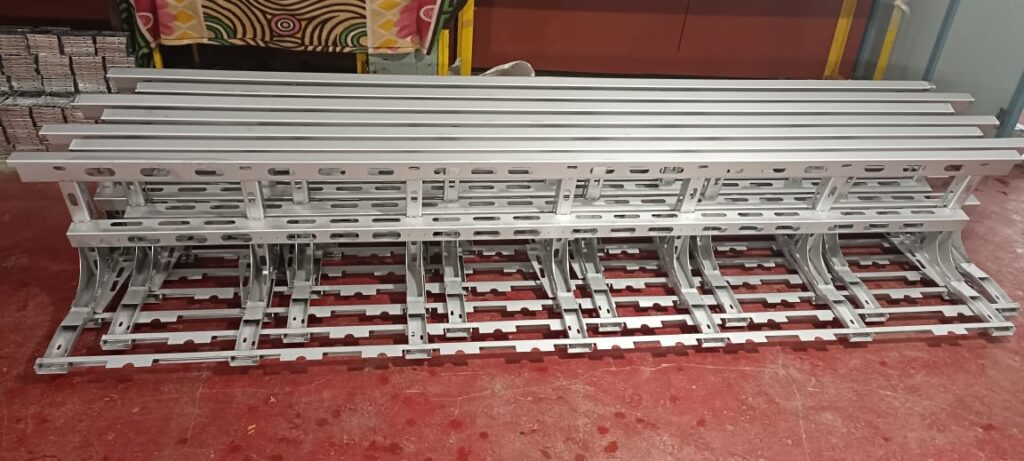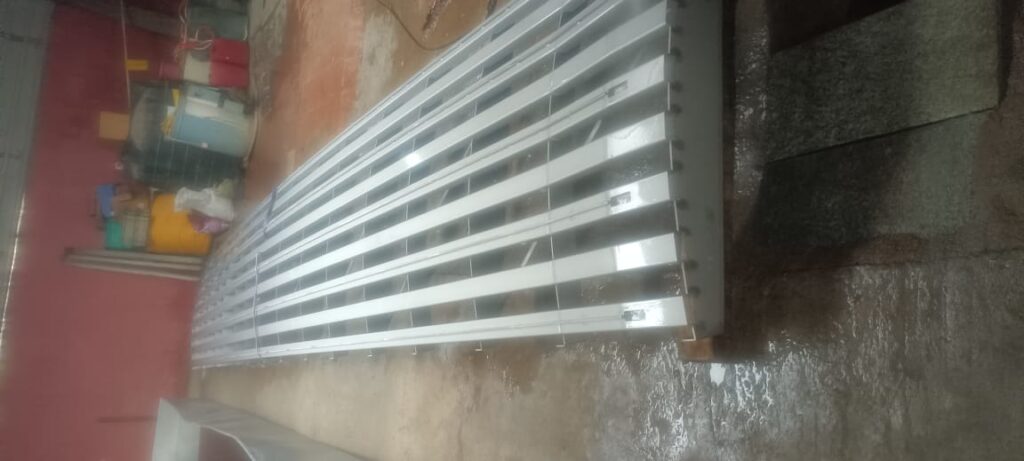

Passivation is a critical post-fabrication process that enhances the corrosion resistance of stainless steel and other metals. To ensure consistency, safety, and performance, several international standards govern how passivation should be performed and validated. Among the most widely used are ASTM A967, ASTM A380, and others. This article breaks down these standards and explains their significance in the metal finishing industry.
What is Passivation?
Passivation is a chemical process that removes free iron and other surface contaminants from stainless steel. It helps form a thin, protective oxide layer that improves corrosion resistance without altering the metal’s appearance or dimensional properties.
Key Passivation Standards
1. ASTM A967 — Standard Specification for Chemical Passivation Treatments for Stainless Steel Parts
Overview: ASTM A967 outlines the accepted chemical treatments for passivating stainless steel using nitric acid, citric acid, and other solutions. It includes guidelines for procedures, acceptance criteria, and test methods.
Highlights:
- Applicable to various grades of stainless steel
- Lists acceptable passivation methods (e.g., nitric 1, nitric 2, citric 1, citric 2)
- Provides testing criteria like water immersion, high humidity, and salt spray tests
- Frequently used in aerospace, medical device, and food-grade manufacturing
2. ASTM A380 — Standard Practice for Cleaning, Descaling, and Passivation of Stainless Steel Parts, Equipment, and Systems
Overview: ASTM A380 covers a broader scope than A967. It includes guidance on cleaning and descaling prior to passivation. A380 is commonly used in construction, chemical processing, and heavy-duty applications.
Highlights:
- Addresses both pre-cleaning and passivation processes
- Useful for piping, tanks, and structural stainless steel components
- Includes methods for surface preparation, inspection, and post-cleaning verification
3. AMS 2700 — Aerospace Material Specification
Overview: AMS 2700 is often used in the aerospace sector. It defines stringent requirements for passivation used on high-performance components.
Highlights:
- Includes nitric acid and citric acid methods
- Requires extensive documentation and traceability
- Designed for mission-critical components
Why Do These Standards Matter?
Following recognized passivation standards:
- Ensures uniform quality across parts and batches
- Improves corrosion resistance and material longevity
- Provides compliance with industry-specific regulations (FDA, NADCAP, etc.)
- Enhances customer trust and reduces liability risks
Choosing the Right Standard for Your Application
- ASTM A967 is ideal for most commercial and industrial stainless steel parts
- ASTM A380 is preferred for systems, piping, and structural components
- AMS 2700 is essential for aerospace-grade and highly regulated applications
If you are unsure which standard applies to your components, consult with a metal finishing specialist to ensure full compliance.
Need Certified Passivation Services?
At Ambika Industries, we offer fully compliant passivation services adhering to ASTM A967, A380, AMS 2700, and other global standards. Our facility in Bangalore supports high-volume processing, emergency turnaround, and same-day delivery.
Contact us today to ensure your parts meet the highest international standards.