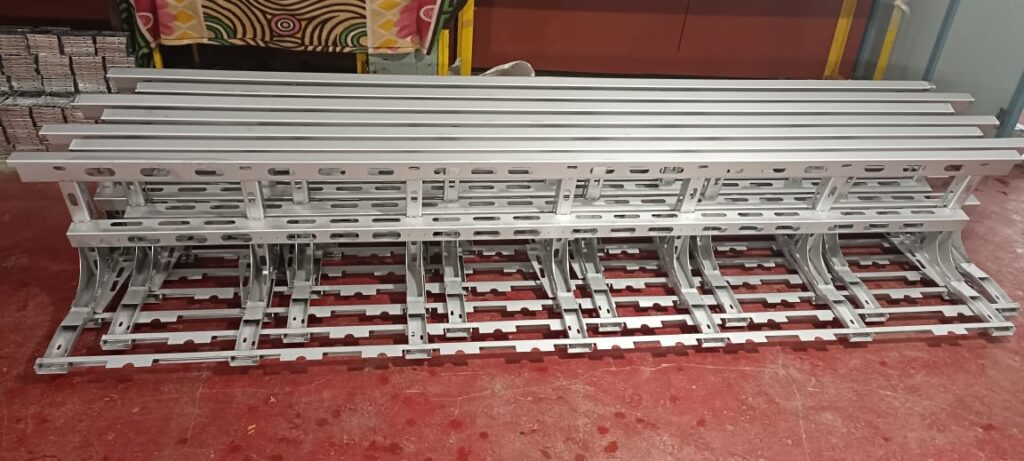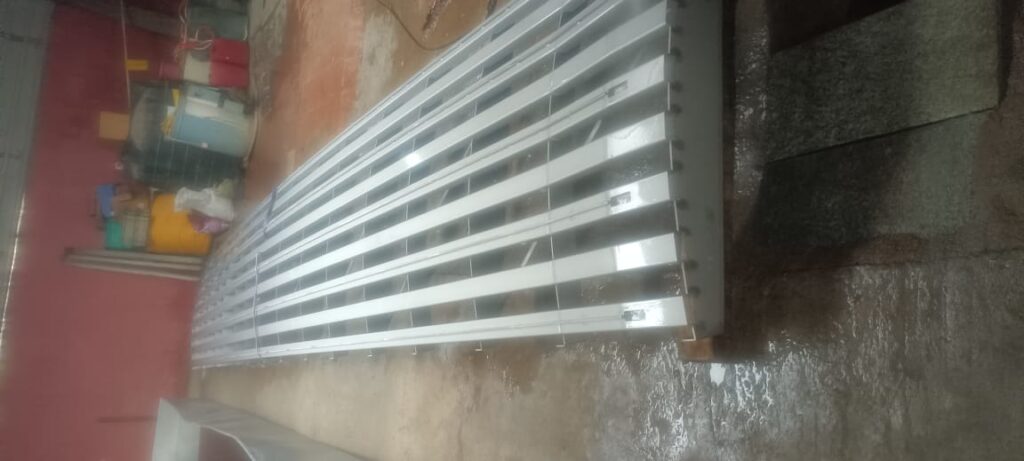
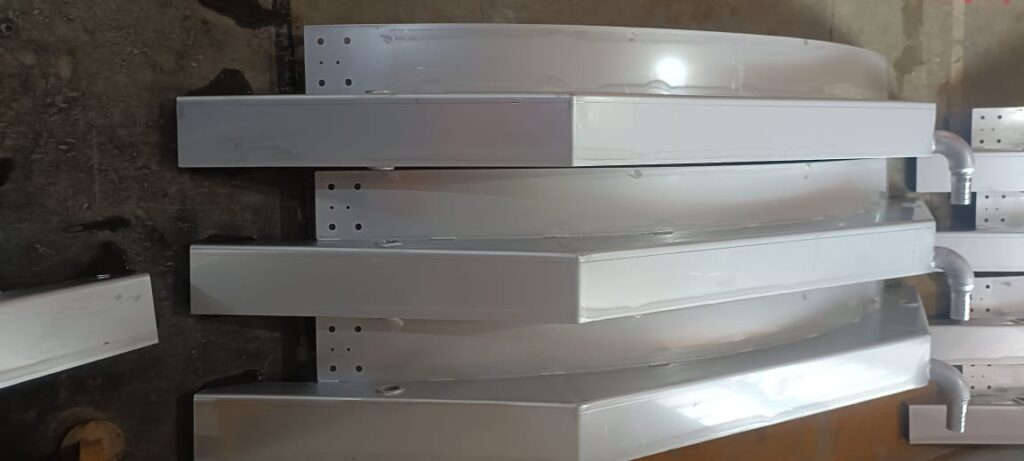
Introduction In the world of metal treatment and surface finishing, two critical processes stand out: pickling and passivation. These methods play a vital role in cleaning, protecting, and enhancing the longevity of stainless steel and other metal components. While both are used to improve corrosion resistance, they differ significantly in their procedures, applications, and outcomes. In this blog, we explore the key differences between pickling and passivation, helping industries choose the right method for their needs.
What is Pickling? Pickling is a chemical process used to remove surface impurities such as oxides, scale, and rust from metals, especially stainless steel. This is usually done using strong acids like nitric acid and hydrofluoric acid in a controlled environment.
How Pickling Works:
- The metal surface is immersed or brushed with an acid solution.
- Oxides and scale that form during manufacturing processes like welding or heat treatment are dissolved.
- The clean, bare metal surface underneath is exposed and ready for further processing or treatment.
Applications of Pickling:
- Removal of mill scale and welding oxides.
- Surface preparation before coating or plating.
- Enhancing corrosion resistance by exposing a clean surface.
Advantages of Pickling:
- Deep cleaning of embedded impurities.
- Suitable for heavily contaminated surfaces.
- Prepares metal for further surface treatments.
What is Passivation? Passivation is a post-cleaning treatment process that uses nitric or citric acid to remove free iron and promote the formation of a thin, protective oxide layer on the surface of stainless steel.
How Passivation Works:
- The metal is cleaned and then immersed in a mild acid bath (commonly nitric or citric acid).
- Free iron and contaminants are removed without etching the metal.
- A passive oxide layer is formed that enhances corrosion resistance.
Applications of Passivation:
- Final step in stainless steel cleaning.
- Common in pharmaceutical, food-grade, aerospace, and medical device manufacturing.
- Ideal for surfaces that must maintain a clean, smooth appearance.
Advantages of Passivation:
- Improves corrosion resistance.
- Maintains dimensional integrity.
- Ideal for delicate or precision components.
Key Differences Between Pickling and Passivation
| Feature | Pickling | Passivation |
| Purpose | Removes oxides, scale, and rust | Removes free iron and forms protective layer |
| Acid Type | Strong acids (e.g., hydrofluoric + nitric) | Mild acids (e.g., nitric or citric) |
| Surface Effect | Etches and cleans surface | Cleans without etching |
| Use Cases | Heavily oxidized or scaled metal | Clean stainless steel components |
| Appearance | May alter surface texture | Maintains or enhances smoothness |
| Ideal For | Industrial-scale metal cleaning | Final treatment for precision parts |
Which One Should You Choose?
- Choose pickling if your metal surfaces are heavily oxidized, welded, or heat-treated and need thorough scale removal.
- Choose passivation if your components are already clean and need enhanced corrosion resistance, especially in high-purity applications.
At Ambika Industries, we specialize in both pickling and passivation services, catering to a wide range of industries. Our state-of-the-art facility, large tank sizes (30×6 feet), 2000-ton capacity, and emergency same-day service make us one of the most reliable partners for metal surface treatment in India.
Contact us today to learn which process is right for your application.